
Creating a Scalable Ordering and Content System
Designed and structured a Shopify-based system for product management and ordering, simplifying customization and reducing reliance on manual workflows for a growing business.
Context and Goal
El Padrino Street Signs is a Bay Area business creating custom street signs and car plaques for the car enthusiast community. After gaining traction through events across the United States, the business saw a surge in demand.
At the time, orders were primarily handled through email and Instagram direct messages. While this worked early on, it quickly became difficult to manage. Communication was inconsistent, orders were harder to track, and potential customers did not always have a clear path to purchase.
I was brought in to help create a more structured online presence and improve how orders were handled.
The goal was to:
Create a centralized system for browsing and purchasing products
Simplify the customization process for customers
Reduce operational strain on the business
Give the team tools to manage content and orders more efficiently
Process
1. Structuring the Product and Inventory System
I chose Shopify based on my previous experience and its ability to support product management and inventory at scale.
A key focus early on was organizing products in a way that made sense for both the business and the customer. This included defining product types, setting up consistent structures, and making sure the backend would support ongoing order volume without becoming difficult to manage.
2. Simplifying Customization
One of the biggest challenges was balancing flexibility with usability.
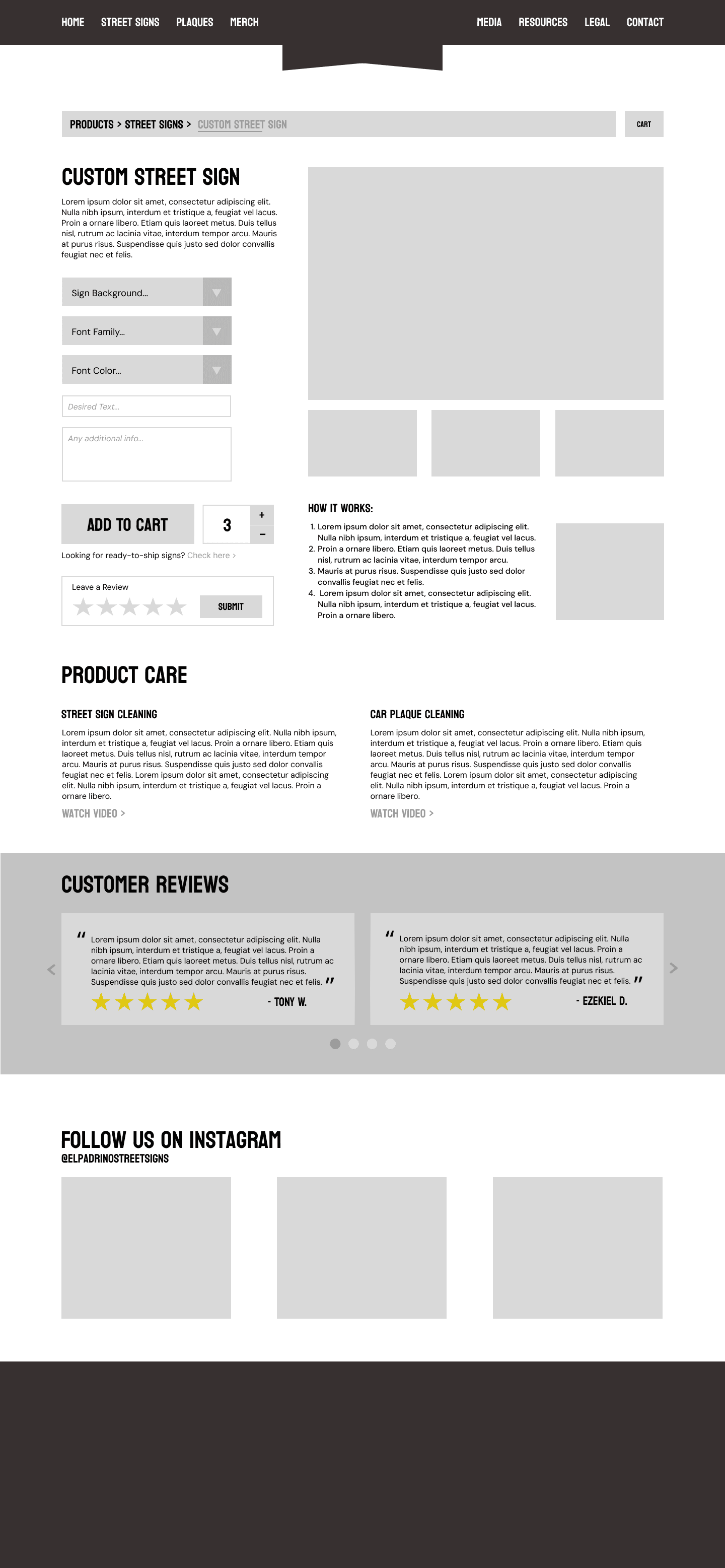
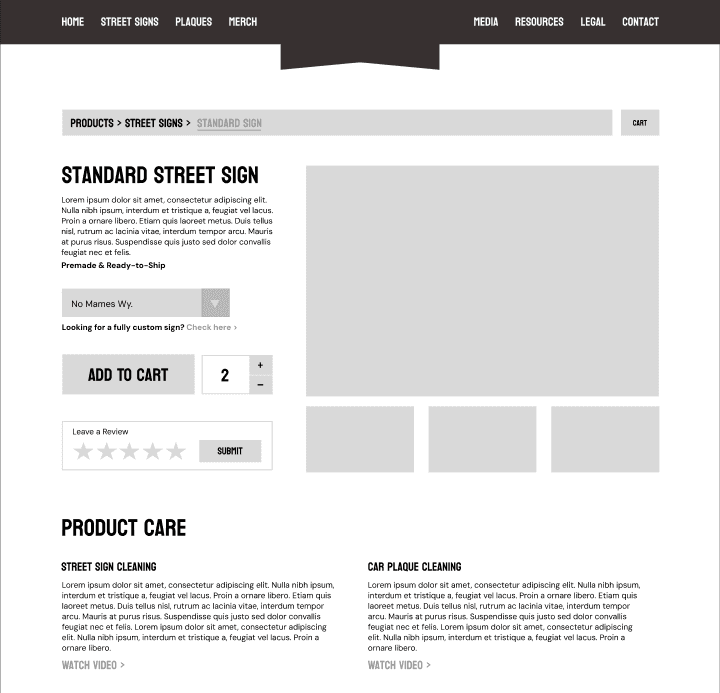
While the business could support highly custom orders, most customers were looking for a straightforward way to personalize products. I reduced the customization options to a focused set of fonts, colors, and finishes. This made the experience easier to navigate while still allowing for meaningful personalization.
To support this, I added a clear “How it works” section to walk customers through the process and set expectations upfront. For customers looking for quicker purchases, I also made sure ready-to-ship products were easily accessible.
3. Designing for Clarity and Conversion
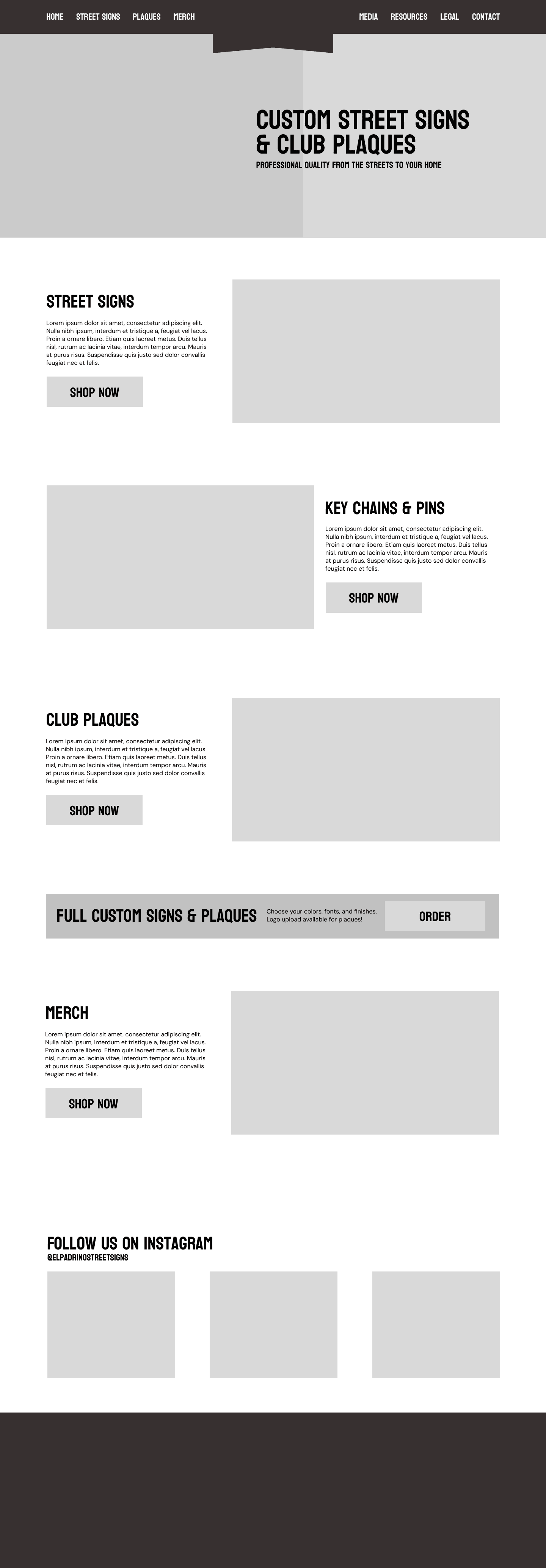
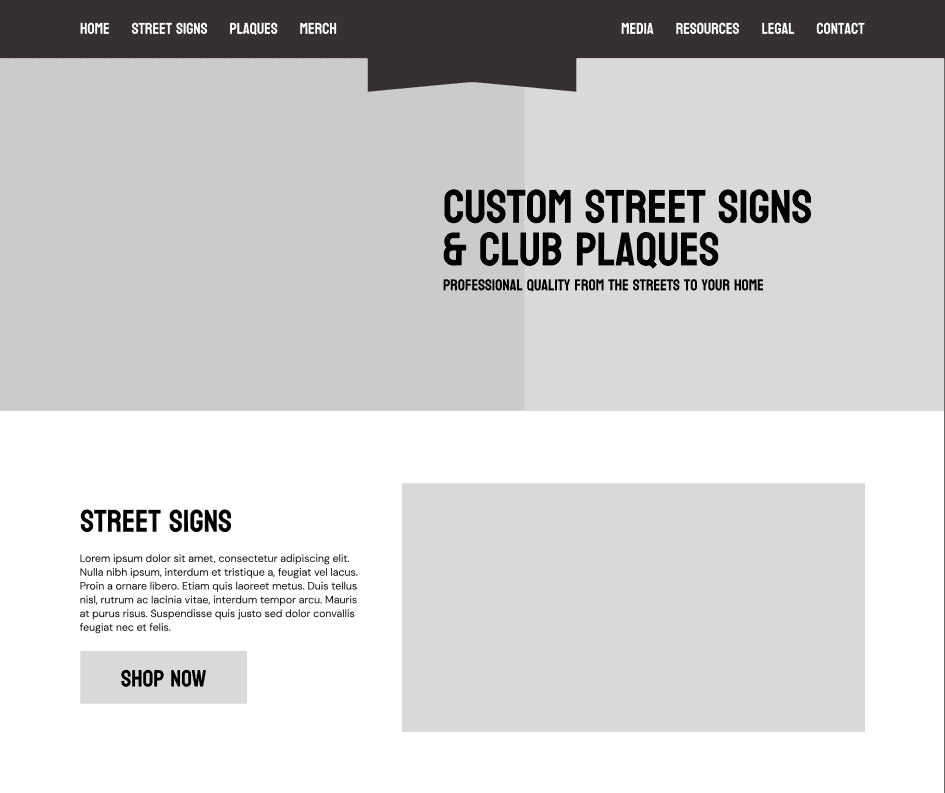
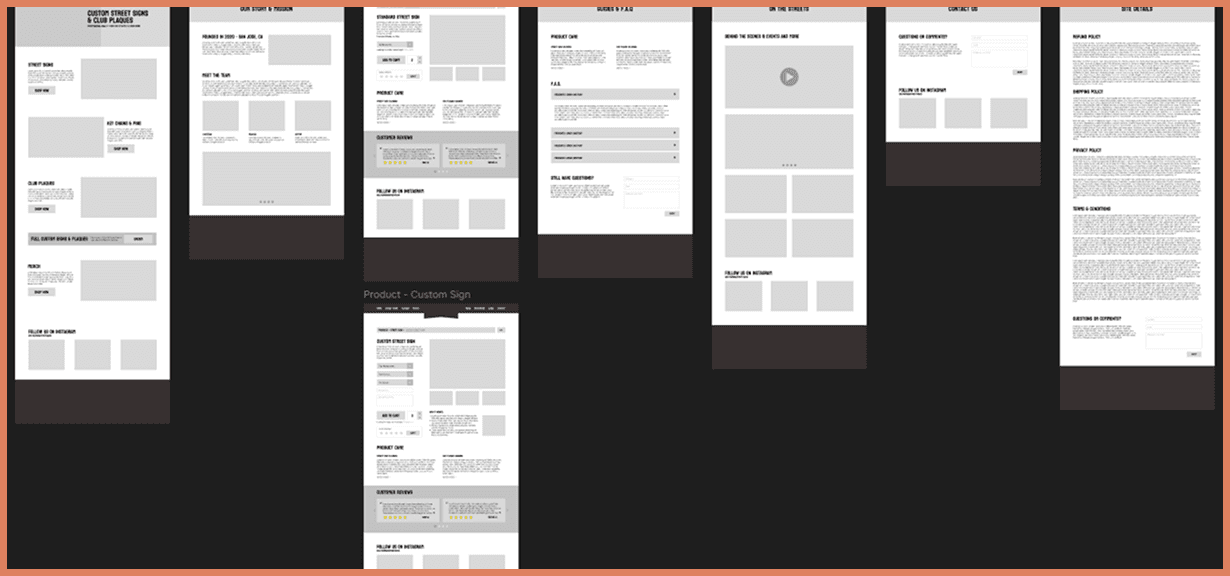
The site structure was designed to guide users quickly from discovery to purchase.
This included:
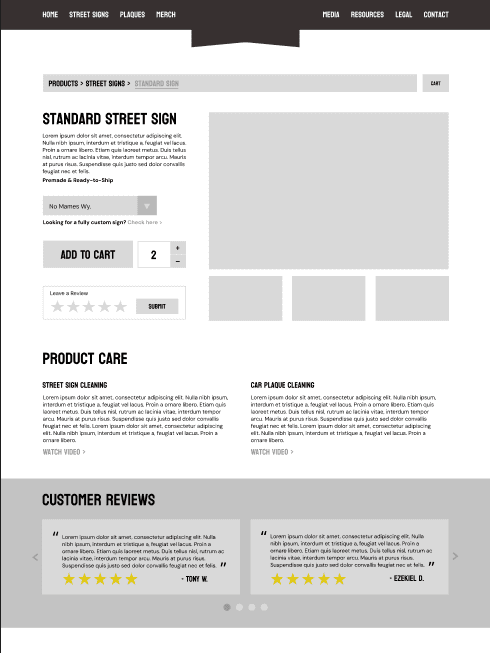
Clear product pages with focused options
Supporting pages like About and Legal for trust
A simplified path to adding products to cart
The goal was to remove friction and make the experience feel straightforward, especially for first-time customers.
4. Supporting Ongoing Content and Brand Growth
Beyond transactions, I wanted to support how the business connects with its audience.
I added:
A media section for sharing event content and short-form videos
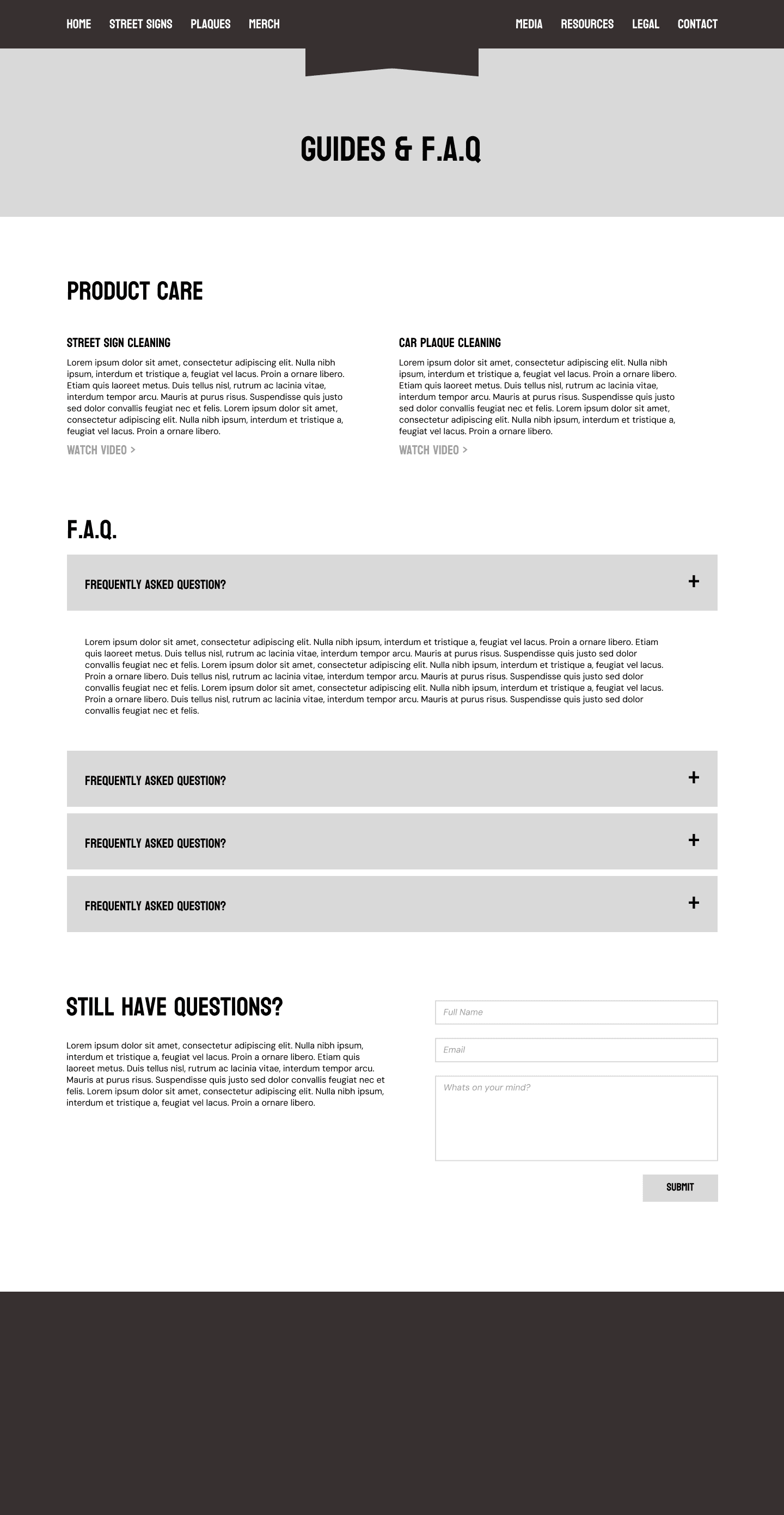
A product care section with video guidance, which was especially important for metal and plated products
These additions gave the team a way to continue telling their story and educating customers without relying solely on social platforms.
Outcome
The result was a more structured and scalable foundation for the business.
Customers now have a clear and consistent way to browse and purchase products
The customization process is easier to understand and complete
The business is less reliant on manual communication through email and social platforms
The team has a system in place to manage products, orders, and content more efficiently
This shifted the business from a reactive workflow to a more organized and sustainable operation.
Reflection
This project reinforced the importance of simplifying complexity.
Instead of offering every possible option, the focus was on creating a clear path that worked for the majority of customers while still supporting the business behind the scenes.
It also highlighted how much impact small systems can have on a growing team. By structuring products, defining workflows, and improving clarity, the business was able to operate more efficiently and provide a better experience for customers.
Designed and structured a Shopify-based system for product management and ordering, simplifying customization and reducing reliance on manual workflows for a growing business.
Context and Goal
El Padrino Street Signs is a Bay Area business creating custom street signs and car plaques for the car enthusiast community. After gaining traction through events across the United States, the business saw a surge in demand.
At the time, orders were primarily handled through email and Instagram direct messages. While this worked early on, it quickly became difficult to manage. Communication was inconsistent, orders were harder to track, and potential customers did not always have a clear path to purchase.
I was brought in to help create a more structured online presence and improve how orders were handled.
The goal was to:
Create a centralized system for browsing and purchasing products
Simplify the customization process for customers
Reduce operational strain on the business
Give the team tools to manage content and orders more efficiently
Process
1. Structuring the Product and Inventory System
I chose Shopify based on my previous experience and its ability to support product management and inventory at scale.
A key focus early on was organizing products in a way that made sense for both the business and the customer. This included defining product types, setting up consistent structures, and making sure the backend would support ongoing order volume without becoming difficult to manage.
2. Simplifying Customization
One of the biggest challenges was balancing flexibility with usability.
While the business could support highly custom orders, most customers were looking for a straightforward way to personalize products. I reduced the customization options to a focused set of fonts, colors, and finishes. This made the experience easier to navigate while still allowing for meaningful personalization.
To support this, I added a clear “How it works” section to walk customers through the process and set expectations upfront. For customers looking for quicker purchases, I also made sure ready-to-ship products were easily accessible.
3. Designing for Clarity and Conversion
The site structure was designed to guide users quickly from discovery to purchase.
This included:
Clear product pages with focused options
Supporting pages like About and Legal for trust
A simplified path to adding products to cart
The goal was to remove friction and make the experience feel straightforward, especially for first-time customers.
4. Supporting Ongoing Content and Brand Growth
Beyond transactions, I wanted to support how the business connects with its audience.
I added:
A media section for sharing event content and short-form videos
A product care section with video guidance, which was especially important for metal and plated products
These additions gave the team a way to continue telling their story and educating customers without relying solely on social platforms.
Outcome
The result was a more structured and scalable foundation for the business.
Customers now have a clear and consistent way to browse and purchase products
The customization process is easier to understand and complete
The business is less reliant on manual communication through email and social platforms
The team has a system in place to manage products, orders, and content more efficiently
This shifted the business from a reactive workflow to a more organized and sustainable operation.
Reflection
This project reinforced the importance of simplifying complexity.
Instead of offering every possible option, the focus was on creating a clear path that worked for the majority of customers while still supporting the business behind the scenes.
It also highlighted how much impact small systems can have on a growing team. By structuring products, defining workflows, and improving clarity, the business was able to operate more efficiently and provide a better experience for customers.